Places where Dua is accepted during Hajj and Umrah
Makkah and Madinah are blessed lands, and Allah’s mercy is present
everywhere in these sacred cities. A pilgrim can make dua in any
place with a sincere heart. Still, some
places where Dua is accepted during Hajj
are especially known among pilgrims because they are connected with
the rites of Hajj and Umrah, the Quran, and the Sunnah of the
Prophet Muhammad ﷺ.
A pilgrim leaves home, family, work, comfort, and many familiar
things only to stand before Allah with a humble heart. Many
Bangladeshi pilgrims ask one common question before going for Hajj
or Umrah:
Where should I make dua in Makkah, Madinah, Arafat, Mina, and
Muzdalifah?
The simple answer is this:
you can make dua to Allah anywhere and at any time. Allah is
always near. Allah says in the Quran:
“وَقَالَ رَبُّكُمُ ادْعُونِي أَسْتَجِبْ لَكُمْ”
“Call upon Me; I will respond to you.” (Surah Ghafir 40:60).
Are there specific places where Dua is accepted during Hajj?
There is no need to say that the dua is accepted only in one fixed
place. Allah can accept a dua anywhere. A pilgrim may make
dua in the hotel room, inside Masjid al-Haram, during Tawaf, at Safa
and Marwah, in Arafat, in Mina, or while sitting quietly after
prayer.
But some places are more blessed because the Prophet ﷺ made
dua there, encouraged dua there, or the rites themselves include
remembrance and supplication. That is why pilgrims should know these
places before starting the journey.
01
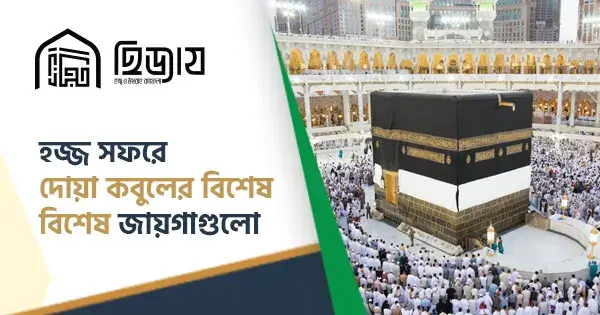
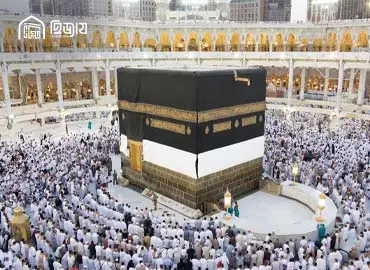
During Tawaf around the Kaaba
Tawaf is one of the most emotional parts of
Hajj and Umrah. You walk
around the Kaaba with millions of Muslims from different countries,
but your dua remains personal. It is between you and Allah.
There is no fixed dua for every round of Tawaf. You may recite the
Quran, say dhikr, ask forgiveness, or make dua in your own language.
Bangladeshi pilgrims can make dua in Bangla too. Allah understands
every language.
Keep your voice low. Do not push others. Tawaf is Ibadah, not a
race. A good
dua during Tawaf can
include:
Forgiveness for past sins
Acceptance of Hajj or Umrah
Protection from hardship
Guidance for family
Halal rizq
Good health
Jannah and safety from Jahannam
02
Between Rukn Yamani and Hajar al-Aswad
One of the most well-known duas during Tawaf is
recited between Rukn Yamani and Hajar al-Aswad:
Meaning: “Our Lord, give us good in this world and good in
the Hereafter, and protect us from the punishment of the Fire”.
(Surah Al-Baqarah, 2:201)
This dua is short, but it covers everything. Dunya. Akhirah.
Protection. Mercy. Many pilgrims repeat it during Tawaf, especially
between the Yemeni Corner and the Black Stone.
03
At Multazam
Multazam is the area between the door of the Kaaba and Hajar
al-Aswad. Many scholars mention it as a blessed place for dua.
Pilgrims often feel deep emotion here because it is very close to
the Kaaba.
But there is one practical matter. This area becomes extremely
crowded, especially during Hajj, Ramadan, and peak Umrah seasons. So
do not harm others to reach it. Do not push. Do not block Tawaf.
If you get a safe chance, make dua there. If you cannot reach it,
make dua from wherever you are. Allah is not far from you.
04
Inside Hijr Ismail or Hateem
Hijr Ismail, often called Hateem by many pilgrims, is the
semi-circular area beside the Kaaba. Many scholars explain that part
of it is considered from the original foundation area of the Kaaba.
If you get a safe chance to pray there, pray two rakats and make
dua. But again, crowd safety matters. During busy days, entering
Hijr Ismail can be difficult. Do not fight for a spot. Ibadah should
bring humility, not anger.
You can make dua near it, while looking at the Kaaba, or after
prayer in Masjid al-Haram.
05
After praying behind Maqam Ibrahim
After Tawaf, pilgrims are encouraged to pray two rakats behind Maqam
Ibrahim if possible. If the area is too crowded, you may pray
anywhere in Masjid al-Haram.
The Quran mentions Maqam Ibrahim:
“وَاتَّخِذُوا مِنْ مَقَامِ إِبْرَاهِيمَ مُصَلًّى”
Meaning: “Take the standing place of Ibrahim as a place of
prayer.” (Surah Al-Baqarah 2:125)
After the two rakats, take a quiet moment. Ask Allah to accept your
Tawaf, forgive your mistakes, and keep your heart firm on iman after
returning to Bangladesh.
06
While drinking Zamzam water
Zamzam is a blessed water. Pilgrims often drink it after Tawaf and
at many other times inside Masjid al-Haram.
The Prophet ﷺ said:
“مَاءُ زَمْزَمَ لِمَا شُرِبَ لَهُ”
“The water of Zamzam is for whatever it is drunk for.”
(Sunan Ibn Majah 3062).
So drink Zamzam with intention. Do not drink it casually like normal
water only. Before drinking, make a sincere dua. You may ask Allah
for beneficial knowledge, a cure, halal rizq, accepted Ibadah,
protection for family, or a clean heart.
“Indeed, Safa and Marwah are among the symbols of Allah.”
(Surah Al-Baqarah 2:158)
During Sa’i, pilgrims
walk between Safa and Marwah seven times. This part reminds us of
Hajar (AS), her patience, her trust in Allah, and her search for
water for her child.
At Safa and Marwah, face the Qibla, praise Allah, say dhikr, and
make dua. Ask Allah with the same trust that Hajar (AS) showed in
the desert. Your situation may be different, but your need for Allah
is the same.
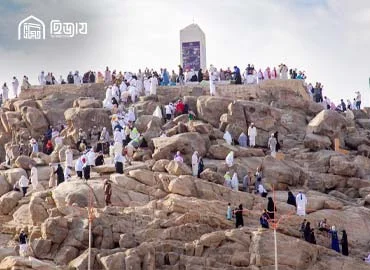
“The best of supplication is the supplication of the Day of Arafah.”
(Jami` at-Tirmidhi 3585)
This is the day to ask deeply. Do not waste time in unnecessary
talk, photos, arguments, or sleeping through the main hours. Make a
dua list before Hajj. Write names. Write needs. Write your fears.
Write your sins. Write your hopes.
Arafah is not a normal day. Treat it with respect. Ask for:
Forgiveness
Accepted Hajj
Freedom from Hellfire
Jannah
Guidance for children and family
Halal income
Relief from debt
Cure from illness
Protection from fitnah
Death with Iman
09
In Muzdalifah
After leaving Arafah, pilgrims spend the night in Muzdalifah. It is
a quiet and serious part of Hajj. The crowd is large, the body is
tired, but the heart should stay awake with remembrance. In
Muzdalifah, pilgrims pray, rest, remember Allah, and prepare for the
next rites.
Make dua there with calmness. You may not have comfort, a soft bed,
or much personal space. Still, this simplicity is part of the lesson
of Hajj. Ask Allah to remove pride from your heart and make your
Ibadah sincere.
10
In Mina
Mina is where pilgrims stay during the days of Hajj. It is connected
with sacrifice, patience, obedience, and remembrance of Allah.
Many pilgrims feel tired in Mina. The tents, heat, walking, waiting,
and crowd can test the mind. That is why Mina is a good place to
make dua for patience and good character.
Ask Allah to help you complete Hajj without anger, complaint,
arrogance, or harm to others.
Meaning: “O Allah, make this Hajj accepted. Make my heart
patient. Save me from hurting others by my words or actions.”
11
After stoning the Jamaraat
The stoning of the Jamaraat reminds pilgrims to reject Shaytan and
disobedience. It is not just a physical action. It is a reminder
that a Muslim must fight pride, greed, anger, jealousy, and sin.
During the days of Tashreeq, pilgrims stone the Jamaraat.
After the first and second Jamaraat, there is a practice of standing
aside and making dua, where space and safety allow. Do not stop in a
way that blocks movement or causes harm. Make dua that Allah
protects you from the traps of Shaytan after you return home.
12
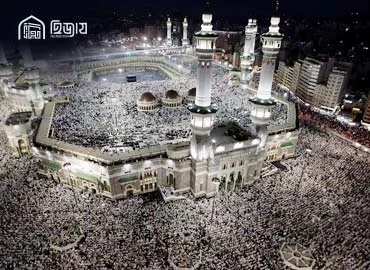
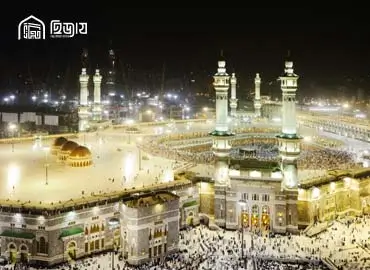
In Masjid al-Haram
Masjid al-Haram
itself is one of the most blessed places on earth. Every prayer
there carries a great reward. Every moment can become valuable if
used properly. You can make dua:
After salah
While looking at the Kaaba
Before Tawaf
After Tawaf
During Quran recitation
While sitting quietly in the mosque
Before leaving Makkah
Note: For Bangladeshi pilgrims, the best advice is simple: do
not spend too much time on shopping, photos, and hotel comfort. Use
your limited days in Makkah wisely.
13
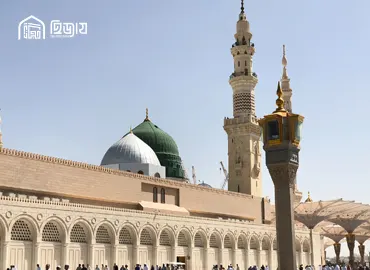
In Masjid an-Nabawi, Madinah
Masjid an-Nabawi in Madinah
is a place of deep love for every Muslim. Although Umrah and Hajj
are performed in Makkah and the Hajj sites, many pilgrims also visit
Madinah before or after their pilgrimage.
In Madinah, send salam upon the Prophet ﷺ with respect. Pray in
Masjid an-Nabawi. Make dua to Allah only. Do not ask the Prophet ﷺ
for things that should be asked from Allah.
If you get a chance to pray in Rawdah, use that time carefully. But
the area is often crowded and controlled by permit systems, so
follow the rules and avoid pushing.
14
In Masjid Quba
Masjid Quba is the first mosque built in Islam. Many pilgrims
visit it during their stay in Madinah.
It is good to go there in a clean state, pray two rakats, and make
dua. Keep the visit simple. Do not turn it into a sightseeing rush
only.
Ask Allah to give you a clean beginning in life, just as Quba
reminds us of a pure beginning in the history of Islam.
15
At first sight of the Kaaba
Many pilgrims become emotional when they see
the Kaaba
for the first time. Some scholars mention making dua at that moment.
Even where a specific narration may be discussed among scholars,
there is no doubt that seeing the Kaaba is a powerful reminder of
Allah, Tawheed, and the unity of the Ummah.
So when you first see the Kaaba, slow down. Do not only take photos.
Look with respect. Praise Allah. Make dua from the heart. You may
say:
There is no rule that you must only make Arabic dua.
You can make dua in Bangla, English, Arabic, or any language
you understand. The most important things are sincerity, halal
intention, humility, and trust in Allah. Here are some dua topics
you should include:
Dua for forgiveness: Ask Allah to forgive your known and
unknown sins. Hajj and Umrah are moments of return. Do not only
ask for worldly success. Ask first for a clean record with Allah.
Dua for accepted Hajj and Umrah: Many people complete the
journey physically, but acceptance belongs to Allah. So ask Him to
accept every step, every Tawaf, every Sajdah, every tear, and
every hardship.
Dua for family: Make dua for parents, spouse, children,
siblings, relatives, teachers, and those who asked you to remember
them.
Dua for halal rizq: Ask Allah for halal income, barakah in
work, relief from debt, and protection from haram earnings.
Dua for health: Ask Allah for a cure, strength, mental
peace, and protection from illness. Also, make dua for sick family
members and loved ones.
Dua for death with iman: This is one of the most important
duas. Ask Allah for a good ending, a heart firm on Islam, and
safety in the Hereafter.
Dua manners during Hajj and Umrah
Dua is not only about place. It is also about adab. Sometimes Allah
gives what you ask. Sometimes, He gives something better. Sometimes,
He removes harm from your life. Sometimes He saves the reward for
the Hereafter. So never think your dua is wasted. Before making dua:
Praise Allah
Send blessings upon the Prophet ﷺ
Face the Qibla where possible
Raise your hands where appropriate
Ask with humility
Admit your weakness
Avoid sinful or harmful requests
Do not rush the answer
Trust Allah’s timing
Common mistakes pilgrims make while making dua
Many pilgrims make mistakes without knowing. Avoid these as
much as possible. Do not push people to reach a specific spot. Do
not shout near the Kaaba. Do not read from a book without
understanding anything. Do not believe that dua is useless unless it
is made in Arabic. Do not spend all your time recording videos while
missing the feeling of Ibadah.
Also, do not depend only on printed dua books. They are helpful, but
your own sincere words are also valuable.
A mother asking Allah for her child in simple Bangla may make a more
heartfelt dua than someone reading long Arabic lines without
attention.
Practical dua preparation for Bangladeshi pilgrims
Before leaving Bangladesh, prepare a small dua notebook. This is
very useful. Keep the list short enough to use easily. During
Arafah, Tawaf, Sa’i, and quiet moments in Masjid al-Haram, open the
list and make dua slowly. This simple habit can make your journey
more organized and meaningful. Write separate sections:
Duas for yourself
Duas for parents
Duas for spouse and children
Duas for relatives
Duas for people who requested you
Duas for rizq and debt relief
Duas for health
Duas for the Ummah
Duas for the Hereafter
Make your Hajj and Umrah Duas with a sincere heart
Dua is one of the most beautiful parts of Hajj and Umrah. You may
forget some steps. You may feel tired. You may not reach every
special place. Still, keep making dua. Allah is near in Makkah.
Allah is near in Madinah. Allah is near in Arafah. And Allah is also
near when you return to Bangladesh.
So make dua with a clean heart. Ask Allah for this life and the next
life. Ask for yourself, your family, and the whole Ummah. May Allah
accept your Hajj and Umrah, forgive your sins, and allow you to
return home with a heart that is closer to Him.
Need guidance before Hajj or Umrah? Talk to our Hajj support team
for proper travel planning and basic pilgrimage guidance. Call us at
+8801335185522 today and
prepare for your sacred journey with confidence.
FAQs about places where Dua is accepted during Hajj
Many pilgrims want to know where to make dua during Hajj. These
FAQs explain important places, blessed moments, and simple dua
manners with Quran and Hadith-based guidance.
Arafah is one of the greatest places and moments for dua
during Hajj. The Prophet ﷺ said that the best supplication
is the supplication of the Day of Arafah. Pilgrims should
use this day with deep attention and sincere dua.
Yes, Tawaf is a blessed time to make dua. You may ask Allah
for forgiveness, guidance, health, halal rizq, family
protection, and success in the Hereafter. There is no fixed
dua for every round, so you can make dua in your own
language.
You can make dua anywhere during Umrah, but many pilgrims
make special dua during Tawaf, at Safa and Marwah, while
drinking Zamzam, near the Kaaba, and after prayer in Masjid
al-Haram. The most important thing is sincerity, not only
the place.
Yes. A hadith mentions that Zamzam water is for whatever it
is drunk for. So drink Zamzam with a good intention and make
dua sincerely before or while drinking it.
হজের সময় আরাফাতের ময়দান দোয়ার জন্য সবচেয়ে গুরুত্বপূর্ণ
স্থান ও সময়ের একটি। বিশেষ করে ৯ জিলহজ আরাফার দিনে বেশি বেশি
দোয়া করা উচিত। এই দিনে আল্লাহর কাছে ক্ষমা, জান্নাত, হালাল
রিজিক, সুস্থতা এবং পরিবারের জন্য কল্যাণ চাওয়া যায়।
হ্যাঁ, হজের সময় বাংলা ভাষায় দোয়া করা যায়। আরবি দোয়া
পড়া ভালো, তবে দোয়ার মূল বিষয় হলো আন্তরিকতা। তাই আপনি
বাংলায়ও আল্লাহর কাছে ক্ষমা, সাহায্য, হেদায়েত, সুস্থতা এবং
কবুল হজের জন্য দোয়া করতে পারেন।
Find the best Hajj package
Discover all the amazing packages at exclusive rates with expert
guides and Sharia consultants.
Plan your sacred journey with a trusted group Hajj package from Bangladesh. Affordable packages, guided support & complete services for a safe and smooth Hajj.
Find your nearby Hajj & Umrah agency associated with Bangladesh. Identify the trusted Umrah agents in your area and get in touch with them to facilitate your next holy journey to Makkah and Madina.

 +8801335185522


 Price
Price Time & Duration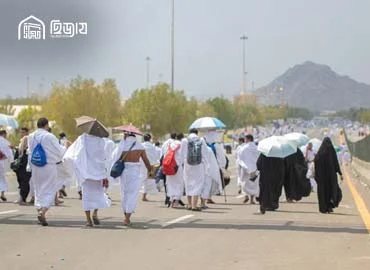

 +8801335185522